

Restoring a 1966–1977 Ford Bronco is more than a project; it’s a rite of passage for any off-road enthusiast. These rigs defined the "sport utility" category long before it was a marketing buzzword. However, after 50-plus years on the trail and the road, most Early Broncos need more than just a fresh coat of paint. They need a systematic overhaul.
At Sexton Offroad, we’ve spent over 30 years in the dirt, under the hoods, and inside the frames of these classic machines. Our partnership with Dusty Broncos allows us to offer an unparalleled selection of early bronco parts and the technical expertise to actually get them installed correctly. Whether you are aiming for a period-correct restoration or a high-performance "restomod" that can handle Moab, this guide covers the essential components you’ll need to transform your rig.
1. Suspension Systems and Lift Kits
Best For: Improving ride quality, increasing ground clearance, and fitting larger tires.
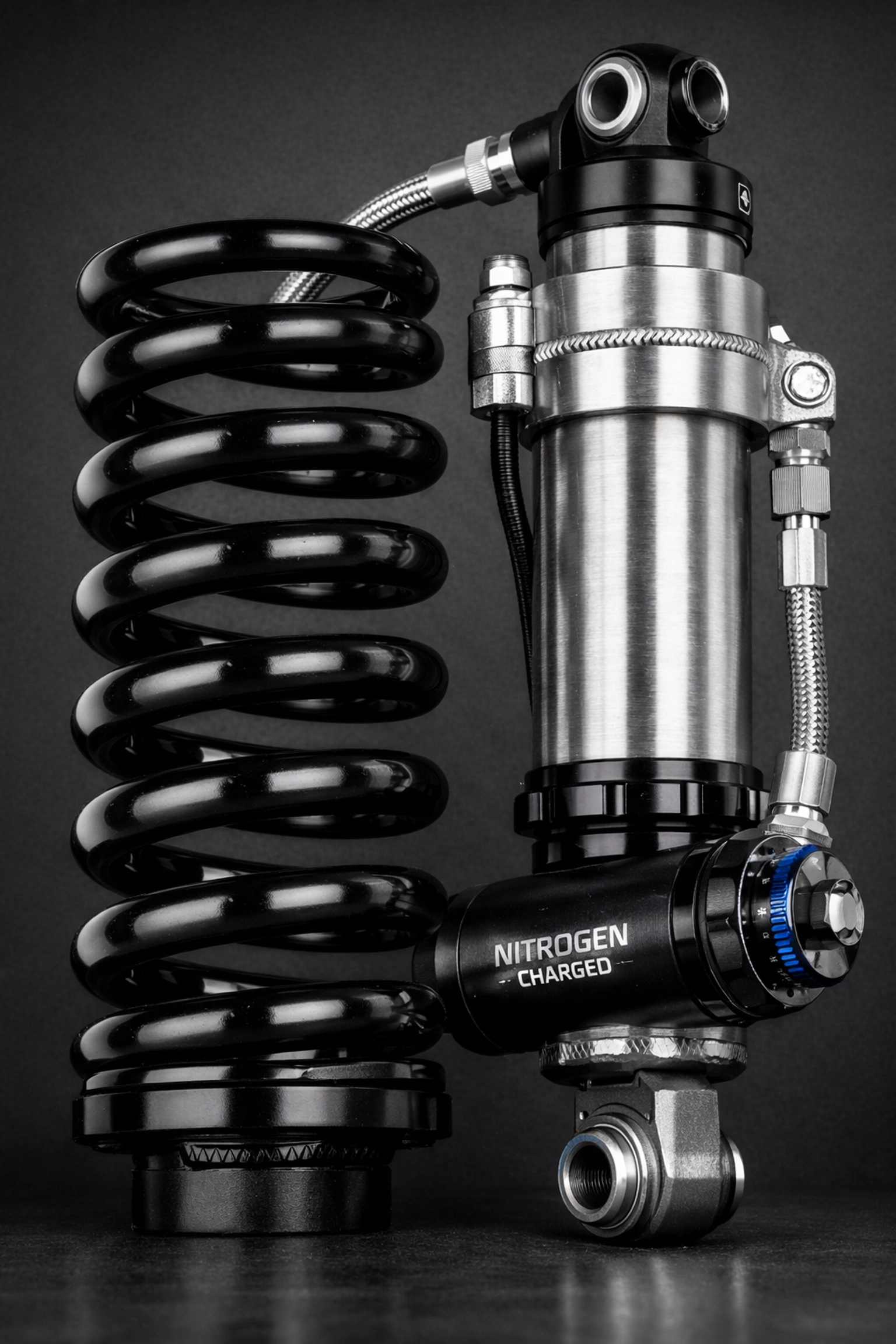
Overview: The factory suspension on a 1966–1977 Bronco was designed for utility, not high-speed desert running or modern highway comfort. A quality suspension upgrade is the most common modification for classic bronco parts seekers. You can choose anything from a stock replacement to a 5.5-inch long-travel system.
Performance Impact: A modern suspension system replaces old leaf springs and worn-out coils with progressive-rate springs and high-quality shocks. This dramatically reduces the "bucking" sensation common in short-wheelbase rigs and provides the articulation needed for technical rock crawling.
-
Pros:
- Better approach and departure angles.
- Room for 33-inch to 37-inch tires.
- Improved dampening over washboard roads.
-
Cons:
- Increases the vehicle's center of gravity.
- Requires additional modifications like extended brake lines and driveshafts.
Cost Indicator: ($$ to $$$)
2. Drivetrain and Gearing
Best For: Restoring power delivery and ensuring reliability under stress.
Overview: If you’ve added larger tires, your factory gearing is likely screaming for help. Re-gearing is essential to keep your engine in its power band. We often utilize Yukon Gear & Axle components because they stand up to the abuse of Utah’s rugged terrain. While the Early Bronco typically runs a Dana 44 front and a Ford 9-inch rear, keeping the internals fresh with master overhaul kits is non-negotiable.
Performance Impact: Correct gearing (like 4.11s or 4.56s) restores the torque you lost when you moved away from factory tire sizes. For those doing serious crawling, an Atlas II transfer case is a common upgrade we handle at our Utah locations to provide bulletproof reliability.
-
Pros:
- Reduced strain on the engine and transmission.
- Better low-end crawl ratios.
- Increased durability of axle shafts and carriers.
-
Cons:
- Labor-intensive installation requires precision setup.
- Professional tools are required for gear patterns.
Cost Indicator: ($$ to $$$)
3. Body and Sheet Metal
Best For: Eliminating rust and restoring structural integrity.
Overview: Early Broncos are notorious for rust: specifically in the floor pans, kick panels, and rocker panels. When sourcing early bronco parts, prioritizing EDP-coated steel panels is a must. This coating protects the metal from the moment it leaves the factory until it’s painted.
Performance Impact: While sheet metal doesn't directly impact horsepower, a structurally sound body is essential for safety, especially if you’re mounting a roll cage. We carry everything from replacement fenders to complete tub assemblies for frame-off restorations.
-
Pros:
- Increases vehicle resale value significantly.
- Provides a clean slate for custom paint.
- Eliminates "trail dust" entering through rusted holes.
-
Cons:
- Requires bodywork skills or professional installation.
- Shipping large panels can be expensive.
Cost Indicator: ($ to $$$)

4. Steering and Braking Upgrades
Best For: Safety and drivability in modern traffic.
Overview: The original four-wheel drum brakes and manual steering on a 1966 Bronco are, frankly, terrifying by modern standards. Converting to front disc brakes and power steering is often the first "real" upgrade owners make. High-performance kits now allow for hydroboost braking, which uses power steering pressure to provide massive stopping power.
Performance Impact: This is the single biggest "quality of life" improvement for an Early Bronco. It allows you to drive at highway speeds and navigate tight trails with one finger on the wheel instead of two hands and a prayer.
-
Pros:
- Significantly shorter stopping distances.
- Reduced driver fatigue on long trips.
- Better reliability in wet or muddy conditions.
-
Cons:
- Requires a new power steering pump and reservoir.
- Disc conversions may require different wheel offsets.
Cost Indicator: ($$ to $$$)
5. Engine and Cooling Systems
Best For: Modern reliability and horsepower gains.
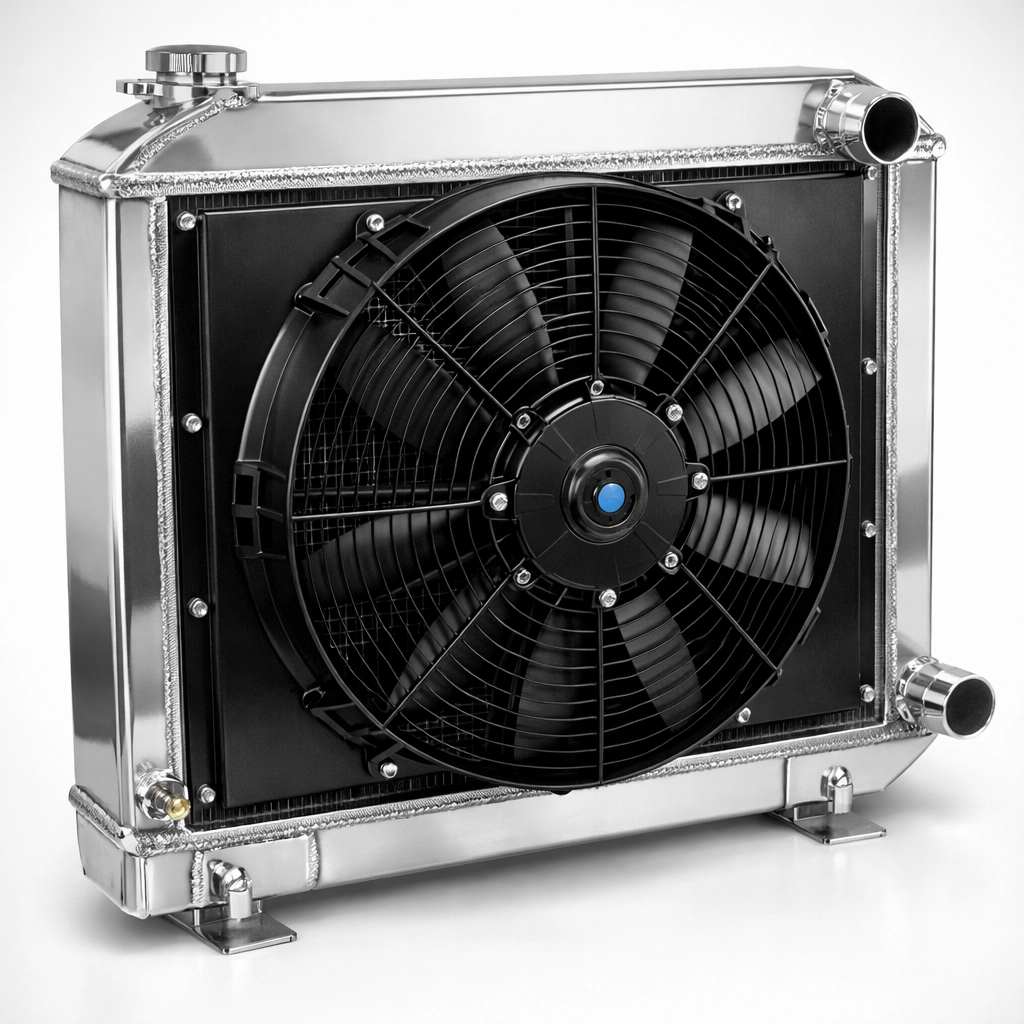
Overview: While the classic 289 or 302 V8s are legendary, many owners are now opting for EFI (Electronic Fuel Injection) conversions or full Coyote 5.0L swaps. Regardless of the engine, the cooling system is the most common failure point. Upgrading to a high-capacity aluminum radiator with electric fans is standard practice in our shop to handle the Utah heat.
Performance Impact: EFI provides consistent performance at varying altitudes: crucial for mountain trail riding. Modern cooling ensures your rig doesn't overheat while idling on a slow-moving trail or climbing a steep grade.
-
Pros:
- Better fuel economy and cold starts.
- Increased horsepower and torque.
- Engine longevity through better thermal management.
-
Cons:
- Coyote swaps require significant engine bay modifications.
- EFI systems involve more complex wiring.
Cost Indicator: ($$ to $$$$)
6. Interior and Safety
Best For: Comfort and occupant protection during off-road use.
Overview: A 50-year-old bench seat is rarely comfortable. Modern classic bronco parts for the interior include everything from Tuffy security consoles to Mastercraft suspension seats. More importantly, the factory roll bar (if your rig even had one) is usually insufficient for modern trail standards. We recommend a multi-point family cage that ties into the frame.
Performance Impact: A secure interior means your gear isn't flying around when the trail gets bumpy. Suspension seats prevent back fatigue, allowing you to stay on the trail longer.
-
Pros:
- Superior safety in the event of a roll.
- Secure storage for tools and recovery gear.
- Modern aesthetics and weather resistance.
-
Cons:
- Cages can limit rear passenger entry.
- High-end seats can be a tight fit in the narrow Bronco cab.
Cost Indicator: ($ to $$)
Why Experience Matters
Building an Early Bronco isn't like working on a modern F-150 where everything snaps together. These rigs have character, and they also have quirks. We’ve seen every "shortcut" in the book, and we’ve spent three decades perfecting the right way to build these trucks.
At Sexton Offroad, we don't just sell early bronco parts; we install them, test them, and break them so we know what works. Our collaboration with Dusty Broncos ensures we have access to the most specific, hard-to-find components for your 1966–1977 project. Whether you are doing a DIY build in your garage or you need our pros in Utah to handle the heavy lifting, we’re here to make sure your Bronco is trail-ready.
Final Thoughts: Planning Your Build
When starting your restoration, it’s easy to get overwhelmed. We recommend prioritizing your build in this order:
- Safety First: Brakes, steering, and a solid roll cage.
- Reliability: Fuel system (EFI), cooling, and basic wiring.
- Capability: Suspension, tires, and gearing.
- Aesthetics: Bodywork, paint, and interior finishing.
Whether you are hunting for a specific bracket or planning a full frame-off restoration, you can explore our full range of 4x4 parts and accessories to get started. If you’re unsure which suspension lift kit fits your goals, give us a shout or swing by the shop. We’ve been living and breathing Broncos since the beginning( let’s get yours back on the dirt.)