

When you’re driving south on US-163 and that iconic sombreros-shaped rock formation hits the horizon, you know you’ve arrived. Mexican Hat, Utah, isn't just a photo op on the way to Monument Valley; it’s the gateway to some of the most isolated, rugged, and rewarding off-road terrain in the American Southwest.
At Sexton Offroad, we’ve spent decades testing rigs on Utah’s red rock and silty washes. We know that while the scenery is world-class, the terrain is unforgiving. If you’re planning a trip to this corner of San Juan County, you need more than just a map: you need a vehicle built to handle the heat, the rocks, and the remote nature of the desert.
The Terrain: What to Expect
Mexican Hat sits at the intersection of high-desert plateaus and deep river canyons. The ground here is a mix of "Moab-style" slickrock, loose shale, and deep, fine sand. When it’s dry, it’s a traction playground. When it rains, the bentonite clay turns into "slicker-than-snot" grease that can trap even a well-equipped 4x4.
1. Valley of the Gods
Best For: Scenic Overlanding and Photography ($) Often called "Monument Valley without the crowds," Valley of the Gods offers a 17-mile loop through towering mesas and pinnacles. While the road is generally graded, it crosses several washes that can wash out or fill with sand.
- Performance Impact: Moderate. You don't need a rock crawler, but you do need reliable cooling and tires that won't succumb to sharp desert rocks.
- Pros: Incredible views, free dispersed camping, accessible for most mid-sized builds.
- Cons: Corrugated "washboard" sections will rattle a cheap suspension to pieces.
2. Mexican Hat Ranch Road
Best For: Technical Testing and Remote Exploration ($$) This 2.8-mile stretch is short but punchy. It features uneven, rocky terrain that demands high clearance. You’ll encounter a mix of dirt, gravel, and large boulders that require careful line choice.
- Performance Impact: High. This is where your approach and departure angles matter.
- Pros: Leads to high vistas and secluded spots away from the tourist tracks.
- Cons: Impassable when wet; high risk of "trail rash" on low-hanging components.
3. John’s Canyon Trail
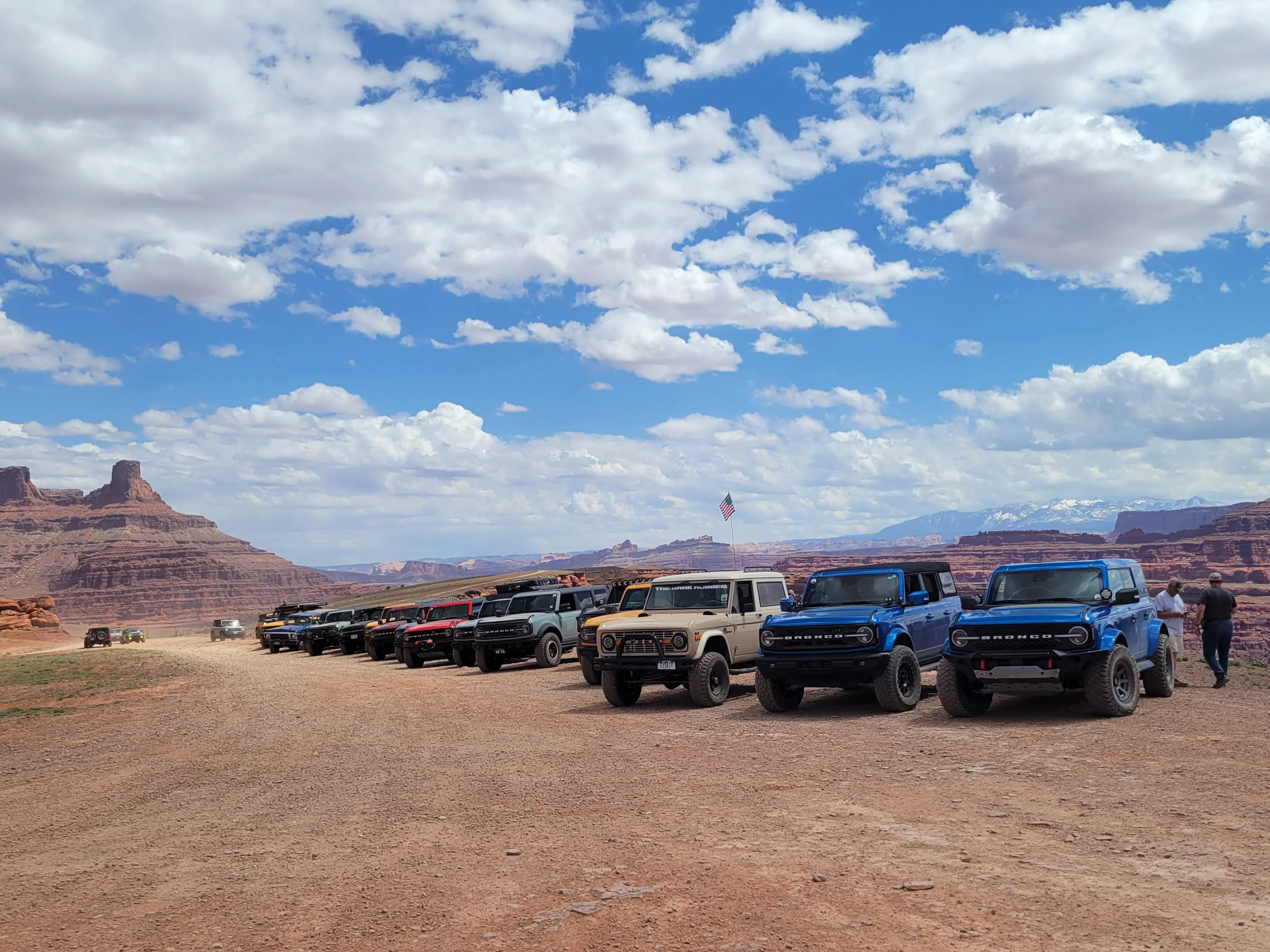
Best For: Long-Distance Rugged Travel ($$$) Starting near Goosenecks State Park, this 14.4-mile trail runs along a belt-line beneath the 1000-foot cliffs of Cedar Mesa. It’s remote, stunning, and requires a vehicle you can trust 100%.
- Performance Impact: Extreme. The isolation means a mechanical failure isn't just an inconvenience; it’s a survival situation.
- Pros: Spectacular views of the San Juan River and absolute solitude.
- Cons: Narrow shelf roads and off-camber sections.
Essential Gear for the Mexican Hat Backcountry
Building a rig for the Utah desert requires a specific philosophy: durability over flash. We’ve seen plenty of "mall crawlers" break down 20 miles from the nearest paved road because they used sub-par components. To enjoy Mexican Hat, you need to invest in the right areas.
Suspension: The Foundation of Control
Best For: Managing washboard roads and technical crawls In the desert, your suspension does two things: it keeps your tires on the ground for traction and protects your spine from the relentless corrugation of the trails. We often see people opt for cheap spacer lifts, but those offer zero performance gains and often lead to premature shock failure.
- Premium Options: ICON Vehicle Dynamics or Carli Suspension systems. These kits are engineered for high-speed damping and slow-speed articulation. If you’re driving a heavy-duty truck, Carli’s Pintop system is the gold standard for turning a stiff ride into a desert-prepped machine.
- The "Buy Once, Cry Once" Factor: High-quality shocks like those from Eibach are designed to handle the heat buildup of a 20-mile washboard road without "fading." Cheap shocks will overheat, lose their damping ability, and eventually leak.
Tires: Traction and Toughness
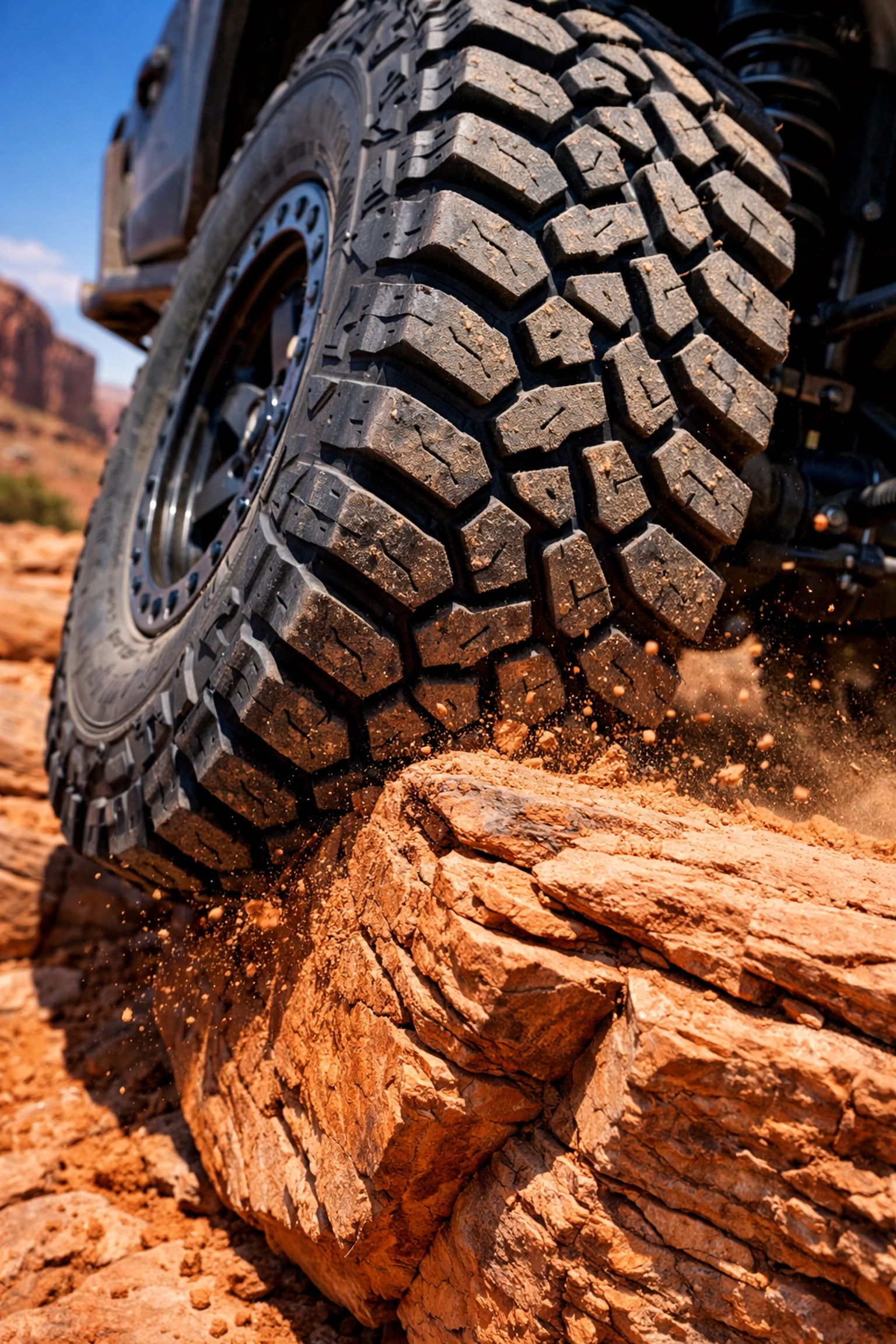
Best For: Navigating sharp rocks and deep sand The rocks in San Juan County aren't just big; they’re sharp. A thin-sidewall tire will get sliced in John’s Canyon faster than you can reach for your spare.
- Our Recommendation: Mickey Thompson Baja Boss A/T or M/T. These tires feature reinforced sidewalls and a compound that grips slickrock like glue.
- Pro Tip: Airing down is mandatory. Dropping your PSI to 15-20 (depending on your load and wheel setup) increases your footprint in the sand and allows the tire to wrap around rocks, preventing punctures.
Lighting: Don't Get Caught in the Dark
Best For: Late-night trail arrivals and emergency recovery Twilight in the desert is beautiful, but once the sun drops behind the mesas, it is pitch black. Stock headlights are woefully inadequate for spotting a 3-foot drop-off or a stray cow on the trail.
- The Standard: Baja Designs. Known as "The Scientists of Lighting," their LED setups provide a crisp, daylight-quality beam. We recommend a combination of "Driving/Combo" patterns for the bumper and "Wide Cornering" lights for the ditch area to see around tight canyon turns.
- Why Quality Matters: Off-road lighting takes a beating from vibration and dust. Cheap light bars often leak, fog up, or flicker after one rough trip. Baja Designs lights are serviceable and built to withstand the harshest environments on earth.
Gearing and Axles: Reclaim Your Power
Best For: Vehicles with 35”+ tires and heavy overland gear If you’ve added big tires and a rooftop tent, your factory gearing is likely screaming for mercy. Re-gearing is the single best "invisible" upgrade you can make.
- The Fix: Yukon Gear & Axle. By installing a higher numerical gear ratio (like 4.56 or 4.88), you bring your engine back into its power band. This reduces transmission heat: the #1 killer of trucks in the desert: and gives you the low-end crawl control needed for technical sections like Mexican Hat Ranch Road.
When to Go and What to Pack
The window for the perfect Mexican Hat trip is narrow.
- Spring (March - May): Ideal temperatures, but keep an eye on the wind. Desert sandstorms are no joke.
- Fall (September - November): The best overall conditions. The ground is usually dry and the air is crisp.
- Avoid Summer: 100°F+ temperatures are standard. It’s hard on you and even harder on your vehicle’s cooling system.
Survival Essentials
- Water: Carry one gallon per person per day, plus an extra two days' worth for emergencies.
- Recovery Gear: At a minimum, have a kinetic recovery rope, soft shackles, and a solid shovel.
- Communication: Cell service is non-existent in the canyons. Carry a satellite messenger like a Garmin inReach.
The Sexton Offroad Advantage
We don't just sell parts; we build rigs that live in this dirt. Whether you’re restoring a classic Early Bronco through our Dusty Broncos division or outfitting a brand-new Jeep or Tacoma, we know exactly what breaks in the Utah backcountry.
If you don’t quite have your rig ready, we’ve also got you covered with our Jeep rental shop, Epic Jeep Rentals. Rent a properly set-up Jeep and go enjoy Mexican Hat now, instead of rushing a build right before a remote trip.
That rental fleet isn’t just “extra.” We use it as our testing ground: the same parts, setups, and real-world wear we see on those Jeeps directly shapes what we recommend and what we’re willing to install and sell.
We’ve seen the results of cutting corners. We’ve seen the cheap ball joints that snap on a remote trail and the budget "off-road" lights that quit when the first rain hits. Our goal is to make sure your trip to Mexican Hat is remembered for the views, not the tow bill.
Final Thoughts on Mexican Hat
Mexican Hat is a place that rewards the prepared. It offers a raw, unfiltered look at the American West that you simply can't find from the window of a highway cruiser. By investing in high-quality suspension, durable tires, and proper lighting, you’re not just buying parts: you’re buying the confidence to explore further.
Quick Recap for Your Build:
- Budget-Conscious: Quality A/T tires and a basic Eibach shock upgrade.
- Performance-Focused: ICON or Carli Suspension system, Baja Designs lighting, and Yukon re-gearing.
- The "Buy Once" Rule: Avoid no-name brands that prioritize aesthetics over engineering. In the desert, reliability is the only thing that matters.
If you're ready to prep your vehicle for the red rock, stop by the shop or check out our full catalog. We’ll see you out on the trail.